Healthy Longevity: 7 Everyday Habits That Matter More Than You Think
Living longer is appealing. But most of us want something more than simply adding years to life.
We want those years to include movement, independence, relationships, curiosity, enjoyment, and the ability to keep doing things that matter to us.
That’s a better way to think about healthy longevity.
There isn’t one food, supplement, exercise, or morning routine that guarantees a longer life. Genetics matter, and many aspects of health aren’t under our control.
But our everyday choices still matter. The National Institute on Aging says research shows that healthy habits and lifestyle choices can help people preserve health and mobility as they grow older.
And many of those habits are surprisingly ordinary.
1. Keep Moving
You don’t have to become an athlete to make movement part of healthy aging.
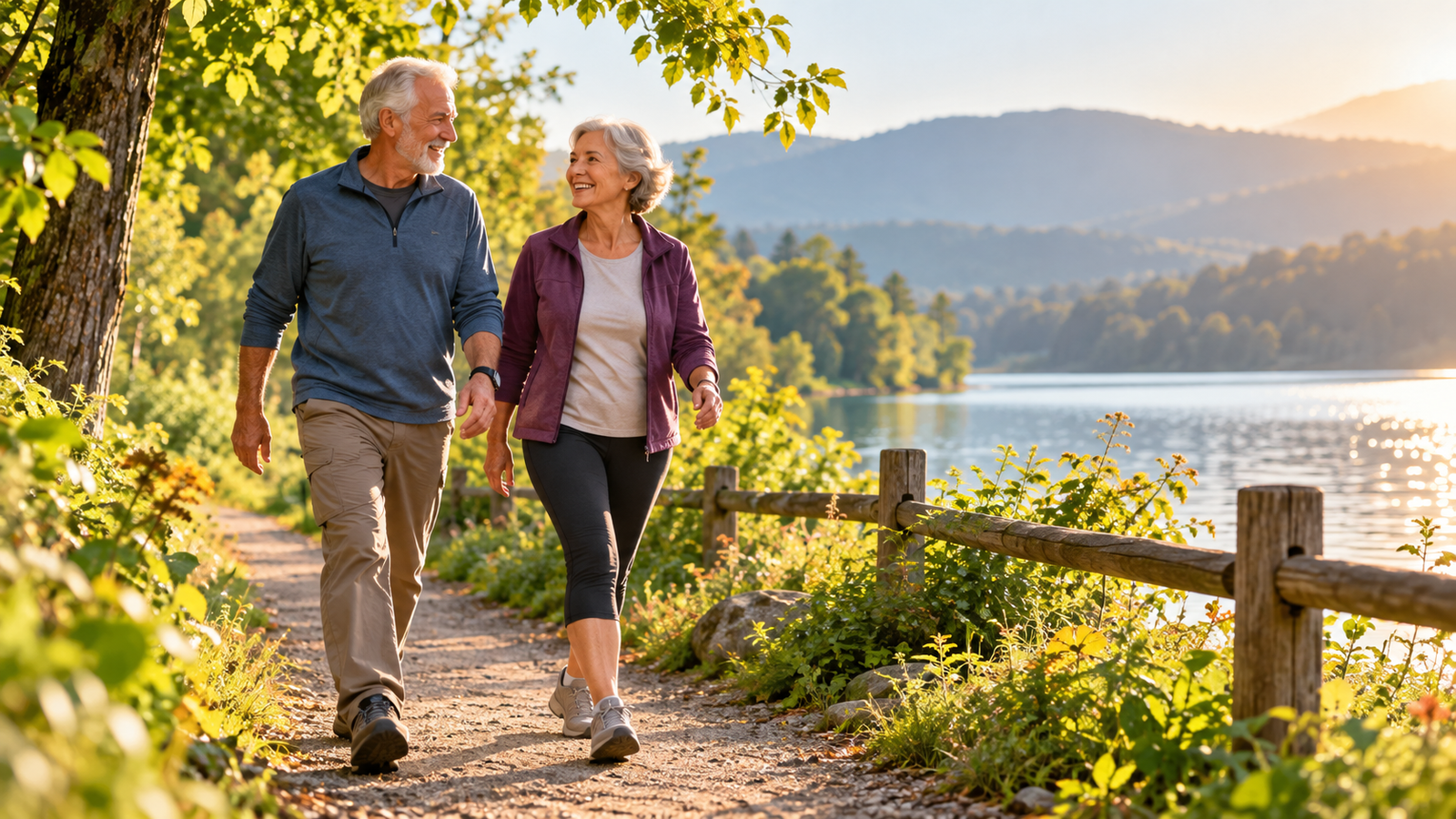
Walking, gardening, dancing, cycling, exercise classes, Tai Chi, and many other activities can keep the body moving. The CDC notes that some activities, including Tai Chi and yoga, can incorporate more than one component of fitness.
For adults 65 and older, current CDC recommendations include at least 150 minutes of moderate-intensity aerobic activity each week, along with muscle-strengthening and balance activities. The CDC also emphasizes an important point: if you can’t meet those recommendations, be as active as your abilities and circumstances allow. Some activity is better than none.
The goal doesn’t have to be impressive exercise.
It can simply be continued movement.
2. Don’t Forget Strength and Balance
Walking gets plenty of attention, but healthy aging involves more than cardiovascular fitness.
Muscle strength and balance become particularly important as we get older. Physical activity can support everyday functions such as getting out of a chair, doing household tasks, and moving around the neighborhood.
That can mean resistance exercises or weights. It can also include appropriate activities using your own body weight.
The important question isn’t, “How hard can I exercise?”
A more useful question might be, “What abilities do I want to keep using?”
3. Eat for the Life You’re Living
Healthy eating doesn’t require chasing every new nutrition trend.
The National Institute on Aging recommends a varied diet built around nutrient-dense foods from the major food groups. Healthy eating can support muscles and bones and is an important part of healthy aging.
That leaves room for individual preferences, cultures, budgets, and health needs.
Rather than searching endlessly for the “perfect diet,” it may be more useful to build eating habits you can realistically maintain.
4. Protect Your Connections With Other People
Longevity isn’t only about what happens inside your body.
Relationships matter too.
Social isolation and loneliness are associated with higher risks for several health problems, including depression, heart disease, and cognitive decline.
Connection doesn’t have to mean maintaining a huge social circle.
A phone call, shared meal, class, walking group, volunteer activity, faith community, hobby group, or regular visit with a friend can all provide opportunities for meaningful interaction.
In other words, one healthy-aging habit might simply be:
Keep showing up for other people—and give them opportunities to show up for you.
5. Keep Doing Things That Interest You
Healthy longevity shouldn’t turn life into one enormous health project.
There’s something to be said for doing things simply because you enjoy them.
Learn something. Play music. Garden. Read. Volunteer. Take a class. Make something. Join a group. Revisit an old hobby.
The National Institute on Aging specifically encourages meaningful and enjoyable activities as part of healthy aging.
Perhaps that’s an important reminder: we’re not trying to live longer merely so that we can spend more years working on living longer.
The years themselves are supposed to contain something worthwhile.
6. Take Stress Seriously—Without Trying to Eliminate It
A stress-free life probably isn’t a realistic goal.
Learning how to respond to stress may be more practical.
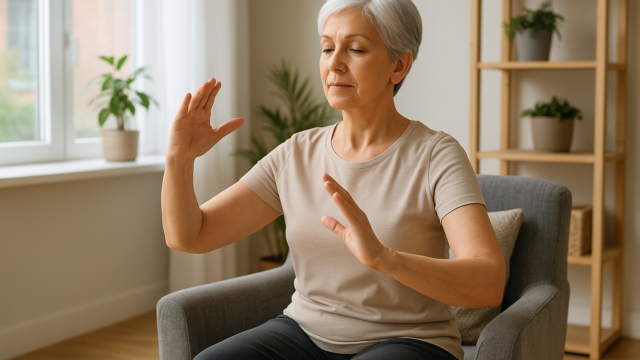
That might involve meditation, breathing practices, gentle movement, time outdoors, journaling, music, prayer, or simply taking a few quiet minutes before moving on to the next demand of the day.
The National Institute on Aging includes managing stress among its recommendations for supporting health as we age.
You don’t necessarily need an elaborate wellness routine.
Sometimes the useful habit is simply recognizing when you need to reset.
7. Think in Years, but Act Today
“Longevity” sounds like a subject concerned with decades.
But decades are made from ordinary days.
A walk today matters more than the exercise program you keep promising to begin someday.
Calling a friend matters more than agreeing that social connection is important.
Preparing one nourishing meal matters more than finding the theoretically perfect diet.
Small actions aren’t magical. And they can’t guarantee how long any of us will live.
But they can help create a way of living that supports health and well-being as the years pass.
That’s what makes healthy longevity such an interesting idea.
It’s concerned with the future, but much of the work happens right now.
Healthy Longevity Is Bigger Than a Number
Perhaps we should think less about “anti-aging” and more about aging well.
The goal isn’t to pretend we’re not getting older.
It’s to preserve as much health, function, connection, curiosity, and enjoyment as we reasonably can while we do.
There is no single formula for accomplishing that.
But movement, nourishing food, social connection, meaningful activity, stress management, and appropriate preventive healthcare give us a much more grounded place to begin than promises of a miracle longevity shortcut.
Building Something in the Longevity Space?
Healthy aging and longevity are also becoming important subjects for educators, publishers, coaches, wellness professionals, and entrepreneurs.
If you’re developing a trustworthy resource, publication, program, or business around this growing area of interest, the domain IncreasingLongevity.com is currently available for acquisition.
It’s a memorable .com name that clearly communicates the subject and could provide a strong foundation for a longevity-focused brand.
Explore IncreasingLongevity.com →
Health information on Holistic Wellness Today is provided for general educational purposes and isn’t a substitute for individualized medical advice.